Showing posts with label selfidentity. Show all posts

Saturday, 13 August 2016

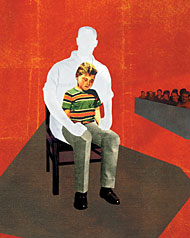
How Life Drawing Can Improve Body Image

When I stepped into my first life drawing class, charcoal at the ready, I definitely felt in awe of the models who could stand completely naked for nearly 2 hours. Afterwards, I felt grateful to them for showing me a different way of seeing my body.

I'm not the only one who's experienced this - researchers have found that attending life drawing classes has a positive effect on body image, especially for women (see link here).


My feelings before entering the class were:

  • The female body 'should' be a certain way (the way portrayed in magazines and the media).
  • Bodies are to be seen in a critical and comparative way.

During and after one class (and those that followed), I began to see the body differently. 
  1. Seeing the body artistically rather than critically

    During the class, on viewing the body I was looking at the curves and shapes and how I could transfer them onto the paper in front of me. Whether the model should lose a few inches here or there didn't even come into my mind.

    After the class, this view of the body continued as I looked at my own. I began to see it for the shapes and curves which link together to form my silhouette. I began to look at the shadows and highlights and instead of to diets, my mind wondered to how I could represent the way the light falls on my body on paper.
    .
  2. Seeing realistic models

    As I said before, I was used to seeing bodies in magazines. I had fears, as many do, that there was something unusual or 'wrong' about my body and the way it was formed. Seeing life models showed me honestly that bodies do come in all shapes and sizes. `

    Never once did I feel judgemental about one of the model's bodies, so why would I feel judgemental about my own? Why was I the exception to the rule I had created?
    .
  3. Letting go of the need to be perfect

    When the class started, I was really surprised when the man leading the group told us we had 2 minutes for our first few sketches! At a point when I was a bit of a perfectionist, alarm bells rang in my head as I realised I wouldn't be able to do my best drawing.

    After just a couple of sketches, I felt able to let go of my panic. A short drawing time allows you to focus on the drawing process rather than the overall result. As a result, I found a love for sketching and creativity in general, and let go of the need to create something perfect. 

    Letting go of the need for perfection extended to my body image. I was able to enjoy my body for its functions and processes, rather than for its overall shape or weight, which became very unimportant, especially after a few classes.
After undergoing these processes, after a few classes this was my changed view of the body:
  • The body can be seen as a series of artistic lines and shapes, rather than a 'whole' for criticising. 
  • All bodies are different and this is perfectly fine, normal and acceptable.
Image from here

Saturday, 9 July 2016

Internet Connection, Cafes and Crack Cocaine

It’s a hot day, I’m sat on an uncomfortable leather seat in a local Caffe Nero, becoming increasingly frustrated that I am unable to connect my laptop to ‘The Cloud’. This isn’t the first time I’ve moved house and been without wifi for over a week, and it isn’t the first time I’ve taken to tracking down wifi in the cafes of where I live. 


Having realised I will go to these lengths to connect up to invisible wavelengths travelling through the sky, I can only think of comparing my actions to those of a drug addict. In drug addictions, you will often hear that people will go to great length to get a fix. For example, 
  • Spending large amounts of money
  • Travelling great distances
  • Isolating themselves

All of these behaviours are risky, and can lead to consequences known and accepted by the addict. Addiction is generally thought to be a form of insanity, where insanity can be defined as:

Very foolish or unreasonable (definition from here)

I consider our world to be largely addicted to the internet. I consider myself to be fairly representative of people of my generation, and know others my age who would agree that, at least after some time of being internet deprived, they would:
  1. Spend money to connect.

    Think of all of the wifi packages you have bought in hotels when abroad. What would life be without the ability to share a photo of your legs by the pool on Instagram or Snapchat? Not only this, but when I moved into my wifi-less house, I considered paying out to connect to BT Wifi with FON, just to be able to go online.
  2. Travel distances.

    The example of me travelling into town to connect to the wifi in a cafe is how I know I would travel at least some distance to get my ‘fix’ of internet. And in hotels without wifi in the rooms I have often found myself carrying my laptop, as if on some addiction-driven autopilot, to the wifi lounge.
  3. Isolate themselves.

    This one hardly needs explanation. I remember when I became a teenager and got social media. I would spend hours in my bedroom on Bebo, Facebook or Twitter, or chatting to friends on MSN. I spent time away from family, and because of the increased ability to talk to friends online, I also believe I spent less time with them in real life. 

These are all acts which can be foolish or unreasonable. For example, spending money you don't have, can be a step towards causing yourself financial problems, and can be seen as foolish. It is also not the most 
  • Have goals 

    Know what you want to do before you open up your laptop. This will reduce time and mean you spend less time aimlessly looking at things. If you love to have an aimless wonder, set a time limit for your time online.
  • Use your phone for communication

    Use your phone as a main means of communication - text people, iMessage, use Whatsapp and call people, but try to avoid using the internet browser on your phone if you can. It leaves more room for mindless browsing which can go on for hours.
  • Find a creative hobby

    Have you ever been so busy doing something that you forgot to check your phone or Facebook for hours? These are the best kinds of hobbies. Try something creative like painting, drawing or journalling. You could also try getting a playstation or xbox! Spend time working on your life outside of the internet. It sounds ridiculous but you will see the benefits fast.

So will I be switching off my wifi only to turn it on for contacting people? Probably not. In fact, definitely not. For the time being, my trusty phone will be providing me with cellular data for contacting people and doing the odd bit of (definitely) inessential web browsing. 

Maybe it has become the norm to be a little bit insane, but it doesn't mean you can't take some steps to make sure you have a life off-screen.

Image from here


Friday, 10 June 2016

What Film Studies Taught me About Life

So a couple of years ago I started to really enjoy going to the cinema a lot. Over the few months where I went to the cinema sometimes twice a week, I began to analyse what I was watching, and something started to shift in my perspective of life. This had a big impact on my life and I actually went on to study film studies as part of my degree.

In this blog post I will explore a few features of film which I believe positively impacted my life and wellbeing!


Motifs

So a motif (in film) is a term used to describe a salient, recurring element in a film. This means anything which pops up quite a bit, such as a bird in The Birds or a certain song, such as the piano music in The Conversation. 

A feature of motifs in film is that they often show variation throughout the film. For instance, a red door might be recurring in a film about a family. At the start a woman sits by the door alone, and by the end she happily walks into it with a boyfriend in arm. This is an example of development - the door is the same but the story has developed, and the door becomes a symbol of development.

When I started to notice motifs in films, I began to notice motifs in my own life. For example, a friend. Say you see this friend once when you're trying to find a job, next when you've found the job and you're working ... etc. When you see them, your friend is the same person (personality-wise), but your life has changed.

When you look back and think of all the changes, your friend becomes a motif which can show you your own development and how far you have come.

Mindfulness

When watching a film and analysing it a little, you find yourself watching out for things. For example, techniques such as sound, lighting and tonality (contrast and brightness) are things you might look out for. This process is very mindful.

When you come out of a film screening having analysed the film, you might find that you feel more aware of the environment around you. You might even feel like you're watching your life as a film, and the sunset in the sky has been almost deliberately put there by a director.

This is something which also applies to art. When I first started to appreciate art, sometimes I'd look up at a sunset and imagine it had been painted by a painter. It brought a lot of beauty and gratitude into the world which I might not have noticed before.

Character

The last thing I will write about is character. Last year I read a book called Story by Robert Mckee (available here), where Mckee talks about character development. He writes about how at the climax of a film, we see a development in the character shown when the character has to make a choice.

For instance, they might start as a grumpy, selfish person, who develops into a softer and more generous person, shown by an act of selflessness through a choice they make at the end of the film. This is very common in films and you may begin to notice more as you watch films!

If you look at your life as a film, and you have to make a choice, you can make choices based on your personality and self identity. This is particularly important if you have recently gone through a life change or recovery from mental health.

Choosing to get up and dressed in the morning can be a symbolic shift when you might a few weeks ago have chosen to stay in bed and watch Netflix all day. Development in film characters can inspire us to make choices in our own lives, which when repeated have a great impact.

Summary

I have loved film studies. Sadly I am not taking modules in it next year because I have decided to prioritise philosophy, which I am really excited about. But this will be a loss, and I am grateful for the fresh perspective film studies has given me in viewing my own life and life choices.

Thanks for reading, and please rush off to the cinema as soon as you can :) If you also feel strongly about film, feel free to share this blog post, comment or like!

Image source here

Wednesday, 8 June 2016

What's the Best Path to Wellbeing?

We hear a lot of messages about wellbeing every day. 'Go to the gym!', 'have you tried meditating?' and 'run yourself a nice bath!' are all phrases you might hear from people if you ask how to reduce your stress. So how can you muddle through all this to find your own direction?


There is no one way to go. With an abundance of messages being thrown at us, it seems like the only way is to take our own path. Think of it like carving through a cornfield from one end to the other, making curves and circles as you go.

As Steve Maraboli says in Life, the Truth and Being Free:

"We have all heard that no two snowflakes are alike. Each snowflake takes the perfect form for the maximum efficiency and effectiveness for its journey. And while the universal force of gravity gives them a shared destination, the expansive space in the air gives each snowflake the opportunity to take their own path."

But where to start?

Though the idea of total freedom is full of wonderful opportunity, having no set plan to reaching your own optimum state of wellbeing can be absolutely terrifying. This is especially so in those who might not have a totally stable sense of self identity. 

The following is a list of the things you can do:
  1. Do your research.

    Read articles online, read books, talk to people and generally find out what people think is the best way to move forward in the direction you want to go. Reading this article is already taking a step!
  2. Take what you need and leave the rest.

    Many messages you hear might sit uncomfortably with you. If someone says 'eat spaghetti for two days' and you hate spaghetti, leave that one there! Spaghetti might be an easy example, but if something doesn't sit right, look at what else you can do instead.
  3. Put yourself out there.

    If you have decided that doing art will help you with wellbeing, go for it. Join an art class, buy some paints, hang out with an arty friend. Take steps towards incorporating this new activity into your life. 

It can be useful to choose things by asking yourself a few basic questions, like:

  • How do I feel when I do this activity?
  • Does this lead me towards wellbeing? 
  • Is this sustainable longer term in some way?
Another thing which might be useful while you're figuring out ways to help your wellbeing is keeping a journal - this way you can record how you feel this technique is helping you, or not, and if you have chosen to do written exercises, for example, you can do them in your journal! It is also a great tracker to look back at to see how far you have come. 

Good luck! And as always, feel free to comment, like and share!


Image source here

Thursday, 19 May 2016

What's So Special About Me?

So I bet you thought this blog post was going to be a personal one about me. But no! It's going to be about you. Like most of these blog posts. I'm not sure if that'll come as an excitement or a disappointment for you, but on to what I'm going to talk about!


So many times we underestimate ourselves. It comes across in all sorts of ways.

1. Jealousy

We find ourselves looking at others' achievements. That friend's graduation photo, hearing about someone's new plans, someone else's good fortune. That pang of guilt as we realise we do not feel completely 100% happy for them is usually down to self deprecation. 

The reason that person's graduation photo is creating a sense of jealousy might be because a part of you always wanted to graduate but didn't. In that moment of longing for what they have it doesn't matter that your premature leaving of university led to a great period of self discovery and starting your own business. It doesn't matter that you met all sorts of great people. You could've become a billionaire. And still your inner critic believes that you are not enough because you didn't graduate. 

2. Isolating ourselves

People probably wouldn't notice if you didn't turn up to that party. Right? 

Wrong. So often we tell ourselves that our absence isn't noticed. We could skip that gathering to lay about in bed and not bother getting in the shower. And yes, you guessed it, it's another way of putting ourselves down. 

The truth is, people do notice when we aren't around. They miss us. And in the mean time we dismiss what they actually miss about us.  

3. Pushing away loved ones

We self deprecators sabotage our own opportunities. That guy you've been dating you might find yourself pushing away from because to your subconscious, he seems too nice. In an old journal I have written 'it's only a matter of time until he discovers that I'm not all that great'. Come on! 

We also push away opportunities. That art fair you've been wanting to go to might get put on the back burner by an inner voice saying 'what's the point?'.

Well, what is the point?

It's a human need to be seen. The more you are seen the more you are remembered, and the more opportunity will flock straight to you. You'll have a lot more freedom. 


So how?

Put yourself out there!

Nobody but Van Gogh would have created Sunflowers in the way he did. All the things we love about creative professionals' work is a direct result of them getting out of bed and deciding to put themselves out in the world. And we can all learn from that. 

Go to social events, do what you feel drawn towards, because it's a great way to discover yourself and how much capability you really have. It only takes 2 clicks on a laptop to order a pizza to your house. Think how much you could create with a little thought and a few more clicks?

Make your voice heard!

As Michelle D'Avella writes (here), 

"The world does not carve out a space for the voiceless. They do not roll out a red carpet and invite the invisible to parade through."

Stay connected to the ones you love - participate fully in that group chat, make your voice heard when something doesn't feel right - refuse to pay the service charge if the waitress had no time for you! And make yourself heard!

Then see how it feels and leave a comment on this post :)

Image 1 from here
Image 2 from here


Monday, 16 May 2016

Making Friends with your Reflection: 4 Steps

We look at our reflections several times a day - and with the increasing popularity of the selfie, the number of times we see our own face per day is on the up. But without an awareness of the thoughts we are having when we see ourselves, this can be dangerous for our self esteem. 

Over the weekend I was lucky enough to bump into author Charlotte Reed, author of May The Thoughts Be With You, at her market stall at Portobello Road. Her book is available here and she also has a website (here). I couldn't put her book down until I'd read it all the way through, and one of her quotes really fits in with what I'm writing about in this post:

'Call yourself bad names often enough and your mind will start to believe them (luckily this also works for good names too!' - Charlotte Reed


Steps towards improving how you see your reflection:

1) Become aware of your thoughts

It is really common to hear people saying degrading things about themselves - body weight and shape, disliked bodily features and one's cleverness are all things which come under fire when talking in this way. But it is not only these out loud thoughts that need to be challenged.

The thoughts can be very subconscious, and because they are repeated a lot, often we are unaware of them. The only way things can change is if you become aware of them. Go to your bathroom mirror and see what happens. You might find it uncomfortable and thoughts might come to mind. Make a conscious effort to do this as often as you can when you see your reflection - even in shop windows.

2) Focus on different things about your body.

Instead of looking at the seemingly ceaseless pimples on your chin like normal, try something different. One way of doing this is to look at yourself in a full length mirror, naked if you feel you can, and describe your body in a completely objective way.

Start at your head and say out loud 'I have blonde hair which comes down to my shoulders. I have an oval face with tanned skin' etc. The point here is to make it objective because it takes away from the usual subjective judgement.

3) Change self-hatred to kindness.

Cheryl Richardson wrote in her book 21 Days to Master Extreme Self-Care (available here) suggests a mirror exercise to do. Every day for a month, every time you look in the mirror, say out loud 'I love you ___ (your name)'. Many who have tried this have found an internal shift happened towards self love, compared to the self hatred that often occurs in front of a mirror.

Another way to introduce kindness is to start thanking your body. If your legs are sore from walking, when you see your legs in a reflection, mentally or verbally thank them for carrying you today. If you find yourself being horrible towards your arms, then thank them for carrying your bag today.

4) Create a supportive mirror!

To help put things into perspective and encourage kindness, stick body image affirmations around your mirror. It is useful to say them out loud several times and allow yourself to feel the feelings that come with them. There are some available at this website, and to include some here:

'I am beautiful'

'I love my body'

'I am thankful for my body'

and

'I accept myself completely'


Keep your awareness of thoughts when looking at your reflection and see if things begin to shift. It is likely that they will as you realise that your body  is primarily there to support you and is only ever doing its best. Journal through this journey so you can look back at how far you have come!

Let me know how you get on in the comments section!


Image source here


Saturday, 14 May 2016

Self Identity and Window Shopping


As promised, another post on self identity and getting to know yourself. And in this blog post I'll be talking about window shopping!

Now I would talk about actual shopping but the idea here is that when you are window shopping you are not buying things. Instead you might be drawn to some things (like those bright white Converse in the window) or rejecting other things (that t-shirt you might've happily donned aged 12).


Forming these opinions about things is a good way of practicing hearing your inner voice and validating it. When you pass a window and feel drawn to that pair of shoes, listen to that inner spark of wonder and desire. Listening to your inner guide is good practice for the bigger things (like looking within for an answer on a big life decision!) - it's like training a muscle.

Spend a little time looking at the shoes (or whatever it is). What is it exactly that you like about them? The colour? The design? Explore all these things until your inner consciousness has run out of things to think about the shoes! You may well come away with your inner self feeling really validated, and this inspires more listening to it because you'll realise how great it feels!

This can also be done at places like markets, where there are all sorts of diverse and sometimes cheap things on sale, so you can have a long wonder around at your own pace and look at exactly what you want to. You could also try having a look online.

This will not only help train the 'listening to yourself' muscle, but could also help with creating a personal style which reflects you. Instead of half heartedly buying clothes and shoes, you might soon feel a stronger pull towards some items because you are used to listening to yourself. You'll then end up with your outside reflecting your inside. Which is great.

Let me know how you get on in the comments!

Img from here

Thursday, 12 May 2016

Solo Cinema Going: Not Only for the Lonely!

Does the idea of sitting in a cinema seat alone scare you? All those rows of identical seats with groups of people dispersed, munching happily on popcorn in the company of their friends and family, while you try to bear it out in the hope that you won't be noticed.

What if I told you it could be really different? You could actually find it a really nurturing and self discovering experience. With Odeon's new Limitless scheme (see more here), trying this out is easier and less expensive than ever before.


Steps to doing this in a less awkward and embarrassing, more enjoyable and self-nourishing way:

Picking a cinema and film

1) Pick your cinema

This might sound fussy but it is true that some cinemas are, well, nicer than others. You probably have a couple of local ones and some have nicer seats than others, you might prefer the atmosphere in one - a whole lot of things. Pick the one that feels right for you to get a good start to the experience.

The other thing is that some cinemas are novelty cinemas. For example, open-air cinemas (check out this Time Out article), and the lovely Everyman cinemas, which have sofas and service to your seat (see their website here). There are also drive-in cinemas. You might like to check these out with friends, but you might like to check out something like Everyman on your own.

2) Pick your film

If you're nervous, start out small. Go to a film which has been out for a little while, and to the cinema at a more unusual time (say the afternoon instead of the inevitably busier evening). You'll be surprised to see who else is there at that time. The first time I went to the cinema alone, my fellow audience was two other solo viewers!

Having said that, try to see a film you're actually interested in! Spend a little while looking at the trailers on the cinema's website and getting excited about the film. After all, that's what the trip is really about.


Entering the cinema

3) Stock up on comforts.

One great thing about going alone is not having to share the snacks! Take some time to browse the snacks and listen to yourself. What do you actually want? This trip is about nurturing yourself, so if you love salty popcorn and soda, go for it!

In terms of other comforts, when I go to the cinema I like to take a blanket! This idea might be a 'no way' for you, but it's something to think about, even when you go with friends - it gets cold sometimes in those places!

4) Use the self service or book online.

This can be really helpful, especially if you're nervous. Most cinemas now have a self service machine where you can book at your own pace without being afraid that the staff member is judging you. They're probably not - after all, you're giving them something to do at this probably quiet time of the day, but for those of you who can't help but be worried, the self service checkout is a good option.

Entering the screen

5) Pick a seat.

When you've entered the cinema,  pick a seat exactly where you want it! Don't settle for a seat on the outside if you like a central view, but if you like to sit on the aisle to be able to get out if you need to, do that. The beauty of being alone is that you can tailor it to exactly how you want it.

6) Notice the adverts.

One big part of discovering self identity was, for me, looking at the adverts for films and making my own judgements on them. They are great triggers for having opinions about things, and making a conscious effort to notice your opinions helps you to engage with your inner self.

It is also really mindful watching the adverts and the film because your attention is focused on the big screen in front of you - it is rare to become distracted and if you do it is easy to bring yourself back.

Enjoy the film!

Image from here


Monday, 9 May 2016

A seven-step exercise to getting to know who you are behind the mask.

This blog post is going to be dedicated to talking about ourselves in an objective way. I think this is really important because the way you describe yourself objectively gives big clues to the way you think about yourself and how strong your sense of self-identity is. Who is the person behind the mask you present to the outside world?


What is this mask?
In the past when I have applied for jobs or studies, I have spent hours looking up on Google things like 'qualities desired in baristas'. Usually a long list will appear, looking something like:

  • Team player
  • Positive attitude
  • Works well under pressure
  • And the list goes on...
I believe that people would look up a list such as this for two main reasons:
  1. They want to see if this type of job would be suitable for them.
  2. They already want the job and now they need to memorise these things to show on a personal statement or at an interview that they are appropriate for the job. 
The first reason is very authentic and fits the job around the person. The second reason is learning how to adapt the outward mask the person fits on to get the things they think they want. The problem is that often behind the mask they actually do not know who they are. 

When you know yourself it is 100 times easier to nourish yourself and create the most fulfilling life ahead for yourself. It is a great feeling to be able to talk to someone about yourself and have a solid enough foundation to know whether a job or other situation is actually for you, and it helps you to take any rejection a lot less personally. 

How do I get to know who I am deep down?
This is a BIG question and takes some time. But there are things you can do to help you along the way. The main idea is to get to know as much as you can about yourself, and pay special attention when you do figure out these things. More things you can do will follow from this post because knowing one's own self identity is something I have a big passion for. One to start with is here:
  1. Grab a pen and piece of paper.
  2. Write about yourself as if you were looking at your life from the inside.
  3. Focus on what you feel is most important to you in your life right now.
  4. Use these questions for guidance. Expand if you feel you want to on any question:
    1. Am I male or female or transgender? 
    2. Am I currently in a relationship?
    3. Do I have a job?
    4. What do I want in life?
    5. Which feelings come up for me most day-to-day?
    6. Where can I most often be found?
  5. Think of your own questions and continue writing until you feel you have written a good summary.
  6. Repeat at various stages of your life because the things you like and dislike are symbols of who you are but will change. 
  7. Look at the 'roots'. For example, if you are a student and you want to be a teacher, a core quality of yours might be creativity, growth or self development. See which general ideas fit to you and try and apply them to other things you like in your life. 
Image from here


Tuesday, 3 May 2016

Making Friends with your Inner Child

I'm currently sitting in a cafe writing this blog post. I've just bought a couple of nice things for myself and am having my favourite drink. I love writing in cafes - I even have the atmosphere sounds of a cafe (coffee cups clinking, low level chatter) downloaded onto my iPod for when I need to do work. So you can imagine that right now I feel great. And yes I do.

But why am I doing this? And why do I feel so great when I do this? I believe it is because I am listening to my inner child who loves cafes and fizzy drinks, and nurturing her desires.


So what is an inner child?

Every adult has an inner child - the child part of them which they've brought to adulthood with them from young life. The inner child is the part of you which looks with curious excitement at the cakes in a shop window, or loves the idea of going on the swing in the kids park - it is full of excitement, hopes and dreams and is deeply linked to our creative selves.

The way adulthood differs from childhood is that we have learnt to parent that inner child ourselves. If you're on your way to a restaurant for dinner and you pass cakes in a shop window, your inner parent would kick in and stop you from buying the cakes in that moment.

The issue many adults face is that their inner parent is very controlling of their inner child. This could be as a result of having learnt inner parenting from a controlling parent. These people might ignore that creative longing, not listen to their fun and carefree side, or simply not even hear what their inner child needs.

How can I benefit from knowing this?
The good news is that this can be easily and rewardingly remedied simply by making friends with your inner child. The first step in this would be to connect with him/her. Ways to do this could include:
  • Looking at photos of yourself as a child. 
  • Talking with family about how you were as a child. 
  • Do an inner child guided visualisation (download one here).
  • Hold a favourite childhood object.
  • Do things your childhood self would have enjoyed.
    • Playing in the park (with an actual child or if it is empty!).
    • Sucking your thumb. 
    • Colouring in.
This can be a painful process, particularly if there were difficult aspects to your childhood. So give yourself time to do this and journal about the way you feel.

How can I really make friends with my inner child?
Then comes giving your inner child the nurturing he or she needs to flourish within your adult self and bring all their wonderful creative aspects to you. Dr Sandy has written about a method to nourish and nurture your inner child, using the acronym CALM:

C - Compassion
When you feel a feeling coming from your inner child, give yourself an affirmation, such as 'it's ok to feel this way' or 'I understand this feeling'.

A - Awareness
Dream big! Create a vision board of things your inner child likes and wants. Spend time discovering these things and congratulate yourself on finding them.

L - Laughter
That deep felt laughter, encourage it! Children love laughing and so do adults - go and see some comedy, watch some on Netflix, hang out with your funniest friend and let yourself laugh.

M - Marvel
Cultivate that childhood feeling of awe by using gratitude. Read more about it in The Magic (buy here). Be grateful for all the things your inner child brings you - your creativity, wisdom, hilarity and inner wisdom, and really feel the gratitude.

Image src: innerchild_.jpg